- Skis
- Carving (84mm & Less)
- Frontside (82-88mm)
- All-Mountain (88-102mm)
- Big-Mountain / Freeride (100-112mm)
- Powder (112mm & Wider)
- Carving (84mm & Less)
- Frontside (82-88mm)
- All-Mountain (88-102mm)
- Big-Mountain / Freeride (100-112mm)
- Powder (112mm & Wider)
Find Your Perfect Ski:
Men's Skis By Width:
Women's Skis By Width:
Sell:
By Category:
Need Help?
- Boots
Size Calculator:
Book Bootfitting:
Boot Accessories:
Shop By Features:
Need Help?
By Men's US Shoe or Mondo Size:
- Bindings
Shop By Category:
Shop By Skier Weight:
- Poles
Shop By Your Height:
Shop By Category
- Clothing
- Helmets
- Goggles
- Snowboard
Snowboard Gear:
- Brands
- More
Backcountry / AT Gear:
Bags:
Tunes & Mounts:
Powder7 Collection:
Even More:
- Sale
- Our Story
- Lift Line Blog
Shop Men's Clothing:
Shop Women's Clothing:
Top Brands:
A Guide to Skiing for Beginners
A Guide to Skiing for Beginners

Tips and Tricks for Beginner Skiers
Some of us are lucky enough to find ourselves on sticks in our early years, and some of us don't find skiing until a little later in life. As a new sport, skiing can be quite intimidating; loads of gear, inclement weather, the fear of falling, and not to mention, an entirely new scene to jump into. It makes sense why some might feel hesitant to throw themselves right in. Rest assured, whether you are someone looking to dip their toe in and feel a bit more comfortable on snow, or someone looking to dive right in and learn it all, we are glad you're here. Feeling more comfortable using the gear and sliding on snow is the first step, and we have a few tips and tricks to share to make those first few days a little more comfortable.The Before
All good ski days start with at least a little preparation. We'll highlight all the things to think about before you get your first few ski days started.Where are you headed?
Every mountain has different policies and systems and it's helpful to know beforehand what to expect.
- Do you need a parking reservation on the weekends?
- What's the shuttle situation?
- Do they have rentals (or lessons) that you can sign up for in advance?
- Can you buy lift tickets ahead of time and do a quick pick up?
Generally, taking care of the logistics ahead of time means less drama trying to track down your lift tickets or rentals the day of, and more time skiing, which is what we want!
Between different ski packages and terrains, there are some mountains that are a bit better for beginners. Smaller resorts definitely have some benefits to beginners. Usually, there's a little less traffic in the rental shop and on the mountain, they are easier to navigate, and ultimately have shorter walks to and fro the parking lot and other resources in the resort (which is huge when you are in ski boots and lugging around skis). Take a look at your local mountains to see if some have a designated beginner area, or a great price for ski packages that might include a lift ticket, lesson, and rentals. Usually, those packages have great deals and you can save quite a bit of cash.Check the weather
If you have a choice, always try to get out on a nice weather day. It is easier (and usually much more fun) to learn how to ski when the sun is shining and the weather is warm. If you are constantly feeling like you need to pop inside for a warm up, it'll be hard to focus on the actual skiing. Usually, the snow is a bit softer, more forgiving and more confidence inspiring on those warmer days (as opposed to icy or wind blown snow). Powder, while very soft and is the skier's stereotypical dream, is actually quite hard to learn in. Save the powder hunting for a few days later in your ski career.
No matter how many snow dances we do or sunny vibes we emit, we don't always get to choose what the weather does (how rude!). Check the weather ahead of time, and if it's looking a bit chilly, try to layer up. Here are our recommendations for layering:
- A breathable base layer. Merino wool works great; moisture (and odor) wicking to keep you dry and comfortable, even if you work up a sweat. Avoid cotton at all costs.
- A warm midlayer (or two, depending on the weather and how warm you like to feel).
- A wind and waterproof jacket. Some of us here at the shop like insulated jacket for cold days, others love just a shell to keep it lightweight and more mobile.
- A breathable neck gaiter. These are awesome to have snug around your neck and back of your head to keep you insulated and protected from the wind.
- Don't forget a breathable base layer for your lower body! As someone who used to wear sweatpants under my ski pants, lightweight and breathable is the way to go.Featured Gear: The During
You've made it! Now that you are all suited up and ready to ski, it's time to actually do the thing.There's no shame in taking lessons
We always like to recommend taking a lesson from a pro! Lessons are the best way to build a strong foundation of skills and prevent bad habits from forming. General ski instructor wisdom says it takes three days of lessons for those skills to really ingrain in your big brain and retain muscle memory of the movement. Some mountains offer three day packages at a discount. For example, Loveland Ski Area out here in Colorado offers a 3-Class Pass for children and adults. This includes a lift ticket, equipment rental, and three half-day lessons. At the end of it all, you have the chance to purchase a mega discounted season pass to keep the season rolling. Packages like this are a great way to get your feet under you, get some great tips to practice with once you are on your own, and feel more confident on the slopes. You'll get more out of each of those precious ski days.A few ski tips
We won't get too in depth on ski skill building, your ski instructor and YouTube videos will be the best way to visualize that. Nonetheless, we've got some of our staff's favorite hot ski tips to have in the back of your mind during those first ski days.
Have a forward, athletic skiing stance
While skiing, one of the most important foundations is a proper ski stance. It's how you drive your skis, stay balanced, and look super cool. We'll be looking for a pretty athletic stance. Starting with the legs, gently bend your knees and press your shins against your boots. Try to keep those shins in constant contact with the tongue of the boot as you're skiing, even on flat or lower angle terrain. Your feet should be about shoulder-width apart. This gives you a bit of a stronger platform to feel a bit more stable, and can help initiate the turns. Finish it off by having your chest upright and hands forward.
"I like to tell my students, keep your hands up like you are holding a steering wheel. Instead of falling in the backseat, you stay in the driver's seat." -Annabelle C, Loveland Ski Area mayor and former instructor
Loads of ski instructors describe the skiing stance as how you land after hopping in the air. Before clipping into your skis, try hopping up and down in your boots to know how that stance should feel. No one will laugh at you, we promise.
Stability comes from your edges
The metal edges on skis are what actually bites into the snow to give you stability as you are skiing. To start, the classic "pizza" move is a great building block to learn things with. Form a wedge with your skis, where the tips are closer to each other (but like any good parent of a teenager and their new beau, keep some space between them) and the tails are spread away from each other. You'll want to apply pressure on those inside edges to shed speed and slow down. To initiate a turn, gently release weight off of that uphill ski, and apply pressure to the downhill ski (so if you are taking a right turn, you'll want to actually weight the left ski). You can do this in a wedge for a little while to get a feel for the motion, but eventually you may feel ready to graduate to America's favorite side: the french fry.
Instead of in a wedge, ski with your skis parallel to each other. Turns work the same way, apply pressure to the downhill ski and gently unweight that uphill ski. To engage those edges, gently roll your ankles from side to side to roll those skis on edge. Don't forget your stance, and keep those shins in contact with the boot the whole time.
"Back in my younger days, a ski instructor told me to imagine starting the roll at my downhill pinky toe, then one-by-one, rolling each next toe all the way over to the uphill pinky toe. For example, if you are taking a right turn, start rolling your left pinky toe uphill. You'll finish the "roll" with your right pinky toe. For me, the toe visualization helps remind me to keep that forward stance, as opposed to trying to edge with my heels." -Alex, a decent student
 Stopping is cool too!
Stopping can be a challenging part for beginners, and is, understandably, pretty scary if it's not something you feel like you can easily. Slowing down with the pizza maneuver is helpful, but to come to complete stop, you'll want to wind up with your skis perpendicular to the slope instead of stopping in pizza. Often times, trying to stop in pizza makes those tips cross and your heels spread out, causing chaos and an eventual fall.
"To stop, you'll essentially take an exaggerated turn like in the shape of a J. Weight that downhill ski the direction you want to turn and keep edging into the slope until you stop. I always tell the little ones to 'push, push, push, push, push!!' and eventually they'll slow to a little stop." -Ryan, famous Eldor-ables ski instructor and stopping enthusiast
Stopping quickly is a really essential skill to help you feel more comfortable on the mountain with other skiers around you and feeling like you have control. Spend some time practicing this part on lower angle stuff first.
Don't forget...
-Stay hydrated! It's super easy to get dehydrated skiing. You are usually at a higher elevation, causing your body to work harder and need more fluids to keep going at a high level. Some folks like to bring a Camelbak or other water pack with them, others prefer to pop inside every few laps and grab some water inside the lodge and warm up. It's totally up to you how you do it, but keep in mind that you should probably be drinking more water than you normally would.
-Stay fueled! Just as water is a human essential, so is food. Carry a couple of bars in your jacket, or maybe a sandwich in a backpack to have after a few hours to refuel your body. You'll have a bit more energy, and avoid hangry behavior.
-Stay sunscreened! Being on a mountain and a little closer to the sun means you'll be more exposed to that gnarly UV radiation we like to watch out for. Since you'll be surrounded by snow that is reflecting extra light all around you, it's extra important to keep an eye on getting burnt. Goggle tans may look cool, but the skin on those ski bums is really unhappy.
-Have fun! Sometimes learning a new sport can be frustrating, especially when managing all the gear, your temperature, and your surroundings. Remember why you wanted to go skiing in the first place, and embrace the challenge.The Apres
Congratulations! You made it through a day of sliding on wooden sticks at high speeds on a snowy mountain in the middle of winter. That's pretty badass. Now you get to lean back, relax, and apres.
Some folks here at the shop like to have cozy clothes to change into for the ride home. Your feet might appreciate a relaxing slipper to slide into after being in ski boots all day. Depending on how your local interstate traffic is looking on the way back, this is certainly not a bad idea.
After spending some time on rental gear, you might be curious about picking out your own super rad pair of sticks. It's tempting to pick out a pair of skis that look super rad and seem like they'll help you ski better quicker, but we always like to recommend investing in ski boots first. Since your boots are what connects you to your ski equipment, it's important to have something that is comfortable and supportive for your specific feet. Boots are something that can last you for loads of seasons, are easier to travel with, and provide more consistency when trying different skis. Check out why we think bootfitting matters.
As much information on the internet about learning how to ski as there is, the best way to learn how to ski is to just to give it a whirl. That expereince on snow is unlike any other, and we are psyched for you to get out there. Say hello if you see a Pow7 sticker!1. Obermeyer Tuscany II $269.95
The basics: The Obermeyer Tuscany II ski jacket blends alpine style with practical features, perfect for your ski adventures. It keeps you warm with cozy insulation and protects you from snow and wind with its snap-away powder skirt and stretchy cuffs. The jacket's sleek design looks great both on the slopes and in town, and you can even remove the faux fur or the hood for a different look. Plus, it's ... learn more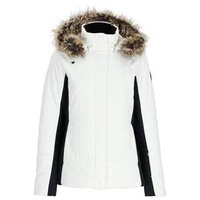
2. Black Crows Camox $849.00
Dimensions: 133/97/120
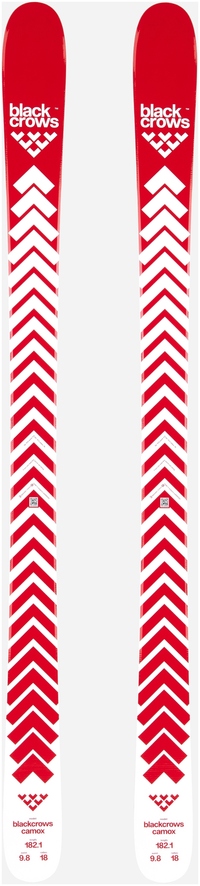
The basics: All we ask for in our all-mountain skis is the perfect blend of maneuverability and stability. Is that too much to ask? For the Black Crows Camox, balancing all-mountain performance on mixed snow while having too much fun comes naturally. This ski hasn't been updated in a while, but for the 25/26 season, Black Crows made a few significant tweaks that keep the Camox playing with the big boys. ... learn more3. Obermeyer Foundation $259.95
The basics: A perennial skier favorite, the Foundation Jacket is a versatile piece of skiwear made for days on the mountain. Obermeyer built this jacket with bold, sport-inspired design, as well as high-performance technology like HydroBlock® Pro fabric and Skier Critical™ seam sealing. To protect against the elements on your coldest days, there is 100g/m insulation to the body and 80g/m insulation in ... learn more
Shop Info
- Helmets