Support your indie ski builder.
The ski industry isn’t an easy one to run a small business in. With high costs for materials, a tricky production and sales cycle, and a crowded market, you can find challenges around every corner. In a modern-day ski world where everyone makes good products, how can you differentiate yourself?
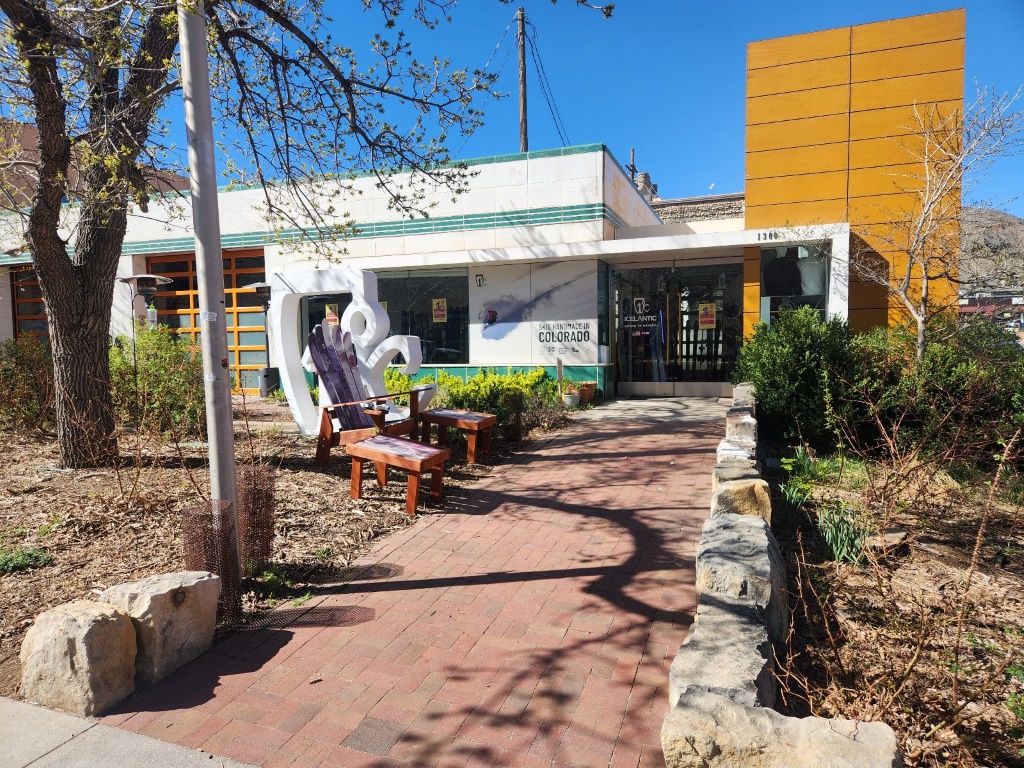
We wanted to learn more about the ups and downs of building a ski brand, and what keeps everyone stoked to keep coming back year after year. With Colorado homegrown, Icelantic Skis just down the street from us here in Golden, we chatted with co-founder Ben Anderson to learn more about the ins and outs of running an independent ski business.
How to make a ski
It’s the skier’s dream job: building skis with their friends, designing them from tip to tail, and having fun while doing it. That’s how it goes every time, right?
In a crowded ski market, not so much. There are plenty of good ski choices out there, so Icelantic takes some strategic decisions when bringing a new ski to market. First, it takes some planning.
“Normally, we’re looking a few years out on how the line and product is going to evolve. The first year is concept and design, then we spend another year prototyping and skiing the product, and then we go to market the following year.”
Icelantic looks at their collection, the market, and where they want to compete. Keeping their line tight and easy to navigate helps customers find a ski that works for them out of their collection more easily. At the same time, you’re not expending resources on tons of skis that overlap with other skis in the line.
“We start by identifying where we want to compete, and then we dive into concepts. Identifying the basic shapes and performance we want to target with the ski. We normally start with the waist widths we want to create, then the radii we want to target. After that, we can start to get into sidecut and effective edge and all that.”
Of course, being smaller and more independent, Icelantic can still have some fun with their skis. Their fully rockered Nia and Saba pro models are some of our favorites here at the shop, and they’re never afraid of playing with cool graphics.
Bombproof
Something very unique about Icelantic is their three-year “bombproof” warranty. No questions asked, if your ski was purchased within three years and has a problem, Icelantic will take care of it. That’s a pretty rare find in the ski industry. I asked Ben how it came about.
“Customers would reference it, and say ‘these things are bombproof!’ and we sort of thought, ‘that’s pretty good’. Then we decided to just see if they really were ‘bombproof’. So we made a little video, built a dry ice bomb, put the skis on top, and triggered it. Turns out, they were bombproof.”
“It was just something we wanted to stand behind. As costs continue to rise, we want to make sure we are delivering something we believe in. Maybe that’s not the best business model–building skis that last forever–but it’s something that helps customers know they can trust us.” That’s just another piece that makes shopping small special.
The Ups and Downs
The ski industry isn’t easy for manufacturers. Not only do you work on a seasonal cycle, but you’re also subject to changing weather. If it’s not snowing, finding ski buyers looking for their next setup isn’t easy. Then, you’re working on a long product cycle. Determining what will be popular and what the snow conditions will be requires psychic powers.
“It’s a tough industry, it’s competitive, and it’s not really growing. You have to differentiate yourself in every aspect.”
At the same time, materials and manufacturing costs can be sky-high. “Cash flow was a huge challenge when we first started,” Ben noted. Navigating selling to retailers while also running your own direct-to-consumer business is juggling a lot of hats. Not to mention, trying to plan future ski design and your production for those products at the same time.
“Manufacturing domestically continues to be a big challenge. There are some great benefits; having eyes on the skis, being able to check in on production, and having a hands-on approach is a huge asset. But at the same time, you’re dealing with material sourcing challenges and higher costs. Our cost per ski has gone up over $100 per ski over the last few years.”
And that’s if everything goes to plan.
Finding the right stuff
When it comes to actually building the skis, you have to source materials. Not only do you have to source materials, but also the stuff you want to use. Whether that’s more sustainable alternatives or a more unique material, cost and availability are always a concern.
“Sometimes things can be tough to get. Over the years, there can be shortages of carbon fiber or something like that, and a larger company, like Boeing is buying up all the carbon.” Not only are you competing with other larger ski manufacturers, but also larger companies not even in your industry, who may have bigger budgets and longer-standing contracts with producers that trump a small ski company.
Ski products are unique and require unique materials. If one material goes out the window, that can throw a wrench in the whole production line.
“We had a tough time during the pandemic with our resins. There was a historic freeze in Texas that completely changed the adhesive industry. We couldn’t get resin at all, and were scrambling to find other suppliers for this very specific formula of resin we needed.”
Talking to Ben, you can tell there’s a reservoir of stories like this over the years. New year, a new unpredictable hurdle to find a way over. So how does the passion stay alive?
The special sauce
To keep a small business running, it takes vision and passion. For Ben, this passion project came naturally. Growing up in Evergreen, Ben spent a lot of time on the slopes and loved exploring the mountains that way. As a budding young adult in high school, the idea hit him to start a ski brand.
“It wasn’t a strategic decision; it was just something that I knew I needed to do. I just threw myself into learning as much as I could on how to build skis and the materials,” Ben explained. “I’m just grateful to have that vision early. I mean, I didn’t even have my driver’s license yet. It hasn’t been easy by any means, but it has helped to have that commitment and that drive to do whatever it takes to make it happen.”
Icelantic served as a creative outlet for Ben and his partners in crime. From exploring creative graphics with his friend and Icelantic artist to this day, Travis Parr, to developing unique shapes and product designs. These days, it’s building community and being a part of something bigger than just skiing. And that leads to the authenticity anyone can feel when they interact with an Icelantic product.
The indie difference
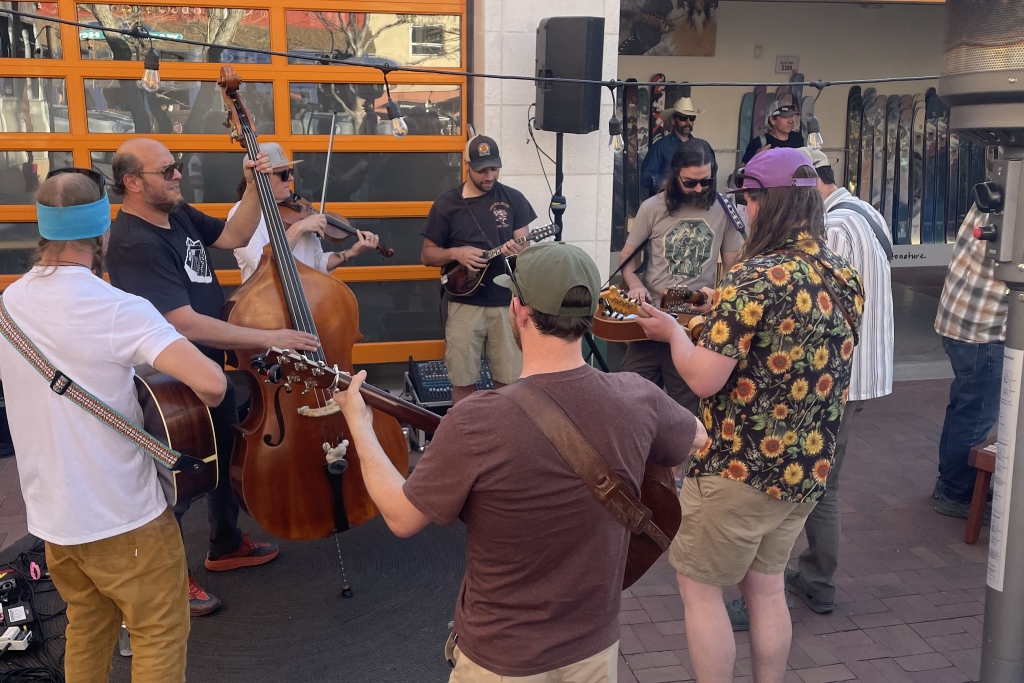
We talked a lot about the importance of differentiating yourself in the ski market during our conversation. It turns out, the difference comes from just being themselves.
“When I think of what makes us unique in the market, it comes down to the people behind the brand and the authenticity we bring to the table. We really want to open the doors and let people be a part of what we’re doing.”
It’s that special sauce that keeps Icelantic moving forward. You can feel the passion behind every ski and every event. When you shop small, it feels like you’re supporting something bigger than just the brand. I’d venture to say, the indie ski builder is what keeps our culture alive.
Icelantic doesn’t stop at just building skis. They host countless events, like the golf classic Icey Open, or epic concert in the snow Winter on the Rocks (or, Return to the Rocks this spring, but don’t worry, the event will return to its winter programming next season). You can find bluegrass music out on the Icey Patio throughout the summer. They go beyond cranking out skis. They’re community members, and highly contributing ones at that.
The indie ski manufacturer helps people connect over a shared passion, with products that let skiers express themselves on snow through graphics or unique shapes. You can see that with every indie ski builder, like 4FRNT, Moment, RMU, or ON3P. They all have a little fun with their graphics and make ski shapes none of the big box builders are making.
And that’s the difference when you see them on the ski wall at your local ski shop. The graphics catch your eye, and you feel something special is going on there. Then, a sticker with “bombproof warranty” and a “Return to Nature” slogan, and you know these are skiers, building skis for skiers.
Selling fun
I asked Ben if he thought the Icelantic customer was unique. I was met immediately with a grin and a laugh, “definitely!”
“The range of customers is crazy. We have everyone from a 17-year-old core skier to the mid-60s traditional skier. We have whole families that come in. The passion among our customers is incredible and still surprises me to this day. And we’ve just been authentically ourselves the whole time, but it’s been so cool to see who that has attracted over the years. And that’s reassuring in challenging times. It’s encouraging to see what we’ve built, and reminds us to stay the course.”