
Stay Alive this Winter
(Editor’s Note: This post is an overview of current avalanche conditions and factors with general recommendations for staying safe. It does not replace formal avalanche education, and it should not be used as a standalone guide for DIY snow safety.)
The year 2020 may be gone, but—true to form—it left us with a garbage snowpack here in Colorado.
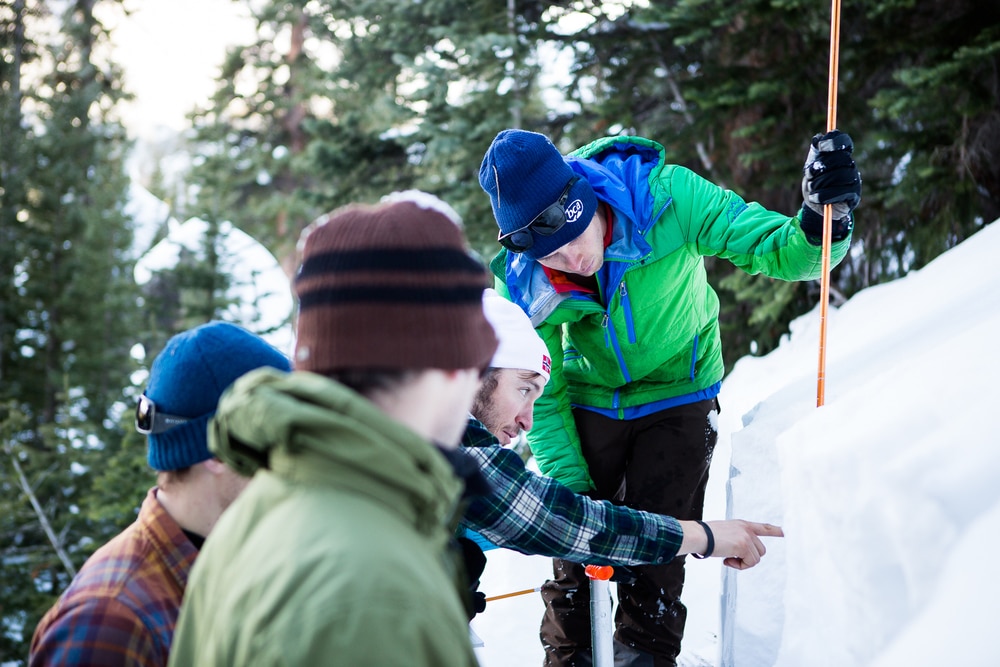
As if dangerous backcountry conditions are ever welcome, the timing now is particularly bad. Hundreds of new alpine tourers have taken the plunge into earning their turns, looking to escape crowds, reservation systems, and COVID petri dishes. Subsequently, experts are pushing further from popular areas onto more consequential slopes to find fresh turns and avoid people. It’s an ominous recipe.
Red flags went up early. Hair-raising videos from the Colorado Avalanche Information Center made rounds on social media. Four people died in avalanches in the early season. None of them were rookies.
So, what’s the deal with this abnormally nasty snowpack? And how can skiers stay safe?
Lingering and Pronounced Instability
It’s not that the factors producing this season’s instability are new. Colorado’s continental snowpack is notorious in part because it usually forms along a predictable chronology. Early season snow falls and then sits, dry and cold, for weeks. The crystals facet, turning jagged and irregular, and fail to bond together. Then, new or wind-blown snow piles up on top of the facets, consolidates into a slab, and waits for a trigger. When that trigger comes, in the form of a skier or more loading, that early season layer can’t support the slab above it. So it fails. If it’s steep enough, the slope avalanches.
What’s more: That weak layer/slab combination tends to hang around throughout the season thanks to cold temps and a relatively shallow snowpack. That’s the “persistent slab” you read about in avalanche forecasts.
So if this tale is familiar, why the extra danger this season? Well, more or less, the typical factors that contribute to instability are just plain worse.
“One big reason is that the snowpack is still so shallow,” says Nate Penney, a ski guide for Colorado Adventure Guides. “That increases the rate of faceting and generation of depth hoar. Early season snow didn’t really get covered up for a while. It sat there and rotted and became a terrible base and interface for the rest of the snowpack.”
Penney says the shallow snowpack has also allowed avalanches to break to the ground. Typically during mid-winter, avalanches will fracture in the middle or upper snowpack, while springtime wet slides tend to rip out entire slopes. This year, though, those suspect layers are so bad that they’re generating large slides before winter has reached halftime. And, worse, the slides are being triggered from a distance.
What to Do About It
Given this nefarious persistent slab problem, the most obvious option is to stop skiing until the snowpack (probably) stabilizes in the spring. But for most passionate skiers, not skiing is not an option.
One thing we can control is where we put ourselves.
One silver lining, Penney says, is that the season is a valuable cautionary tale for new backcountry skiers. He also emphasizes that it’s possible to keep touring safely.
“People need to know the terrain they’re skiing in,” he says. “You have to stick to slopes less than 30 degrees. Assume a slope is guilty until proven innocent. Use conservative judgment.”
While the backcountry is full of so many variables, Penney says, one thing we can control is where we put ourselves. We can decide not to put ourselves in or under avalanche terrain.
“Know the terrain,” he says. “Know what you’re traveling under and what types of slopes are near and connected to you. Collect your own observations and data in the field.”
Here at Powder7, we recommend a few extra tools in addition to your beacon, probe, and shovel to help you stay safe:
Slope Meter. Used for measure slope angles.
Snow Saw. Used for isolating columns during pit tests.
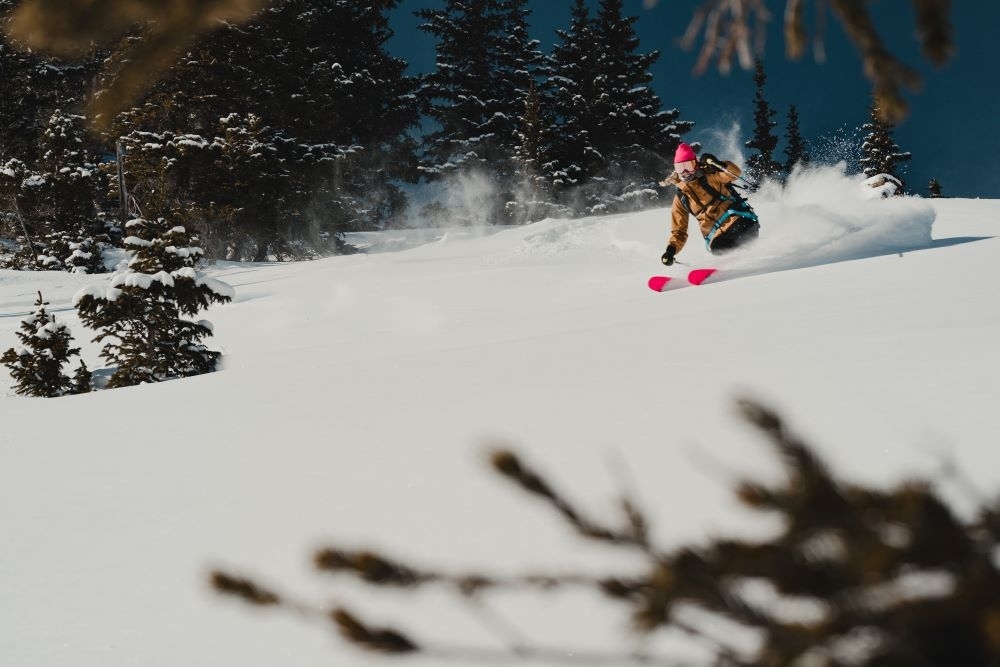
Stay Out of Harm’s Way
Of course, the bottom line is this: If you don’t think you can safely enter the backcountry, then don’t. Build cardio with weekly uphill dawn patrol laps at your favorite ski area. Splurge on a cat skiing trip. Check out new resorts. Then, reevaluate the snowpack later in the season as we head into spring.
Because while each ski day is full of highlights, the chief goal is always the same: Make it back to the car.
See more alpine touring insight in our Ultimate Guide to Backcountry Skiing